
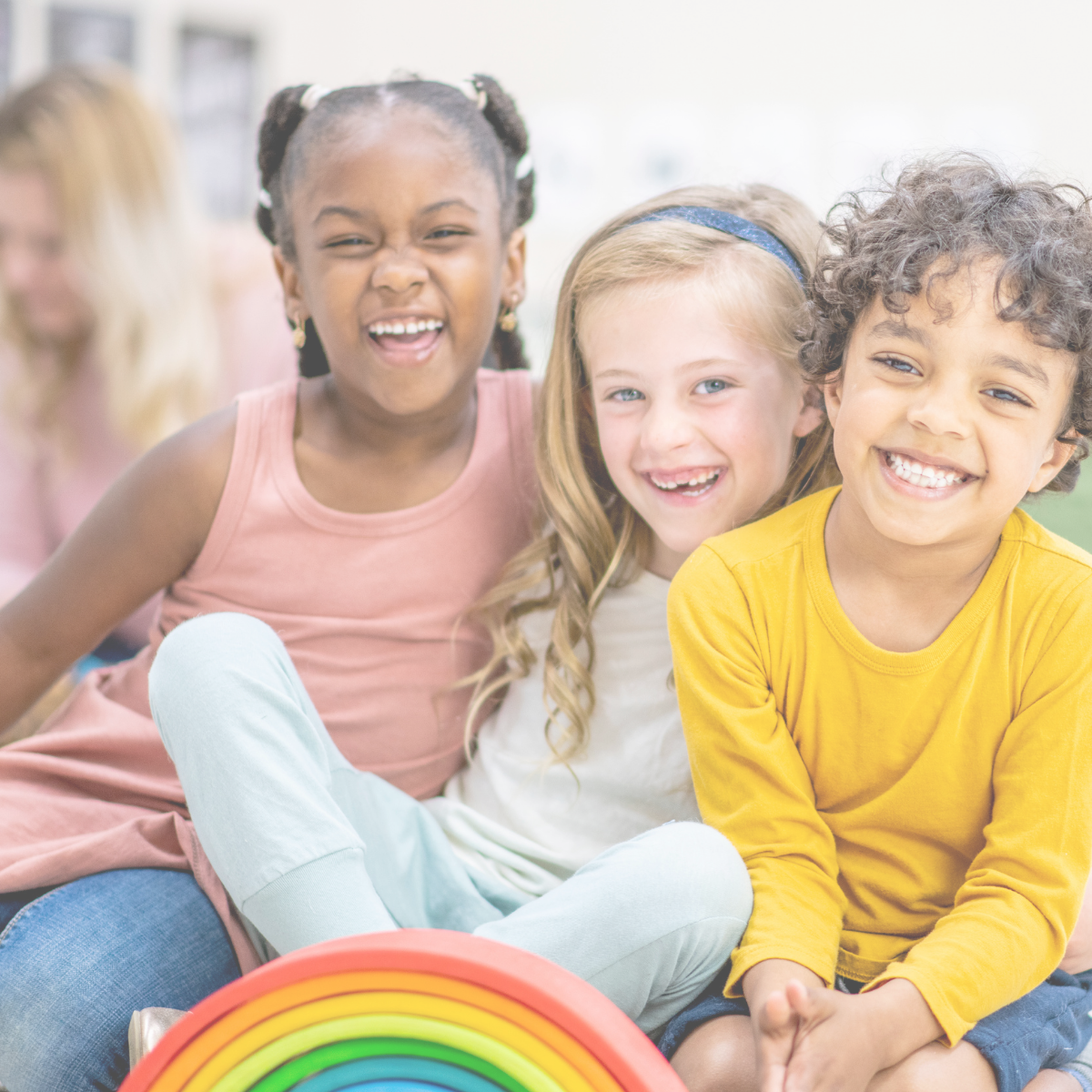
Helping Children Build Healthy Friendships and Social Connections
Every year on July 30, International Day of Friendship celebrates the relationships that bring people together and help create stronger communities. While friendship is important at every stage of life, it can play an especially meaningful role in childhood.
Friends help children learn how to communicate, solve problems, build confidence and develop a sense of belonging. Positive social connections can support emotional well-being and help children feel accepted, valued and understood.
At TFI, we know that healthy relationships are an important part of helping children thrive. For children in foster care, kinship care, adoption and family preservation programs, friendships can provide stability and connection during times of change and transition.
Why friendships matter for children
Friendships are more than just playdates and shared interests. Through friendships, children learn important social and emotional skills that can benefit them throughout their lives.
Healthy friendships help children:
- Develop communication skills
- Build self-confidence
- Learn empathy and compassion
- Practice conflict resolution
- Feel connected to their peers
- Create a sense of belonging
These experiences help children navigate school, family relationships and future social situations with greater confidence.
For many children, friendships become an important source of encouragement and support during both everyday challenges and major life changes.
The role of friendship during times of transition
Many children experience changes that can affect their social connections. Moving to a new school, changing communities, entering foster care, reunifying with family or joining an adoptive family can all impact a child’s friendships.
Transitions can sometimes leave children feeling isolated or unsure of where they fit in. During these moments, supportive friendships can provide comfort and stability.
Children may benefit from:
- Opportunities to maintain important friendships when possible
- Encouragement to participate in activities where they can meet peers
- Support in building new social connections
- Reassurance that forming new friendships takes time
Caregivers can help children understand that it is normal to feel nervous when meeting new people and that meaningful friendships often develop gradually.
Helping children build healthy friendships
Friendship skills are learned over time. Just as children learn academic subjects or life skills, they also learn how to build and maintain positive relationships.
Parents, foster parents, kinship caregivers and adoptive families can support friendship development by helping children practice:
- Sharing and cooperation
- Listening to others
- Taking turns
- Respecting boundaries
- Expressing feelings appropriately
- Solving disagreements respectfully
Children often learn by observing the adults around them. When caregivers model kindness, respect and healthy communication, children gain valuable examples of positive relationships.
Encouraging social opportunities
Not every child finds it easy to make friends. Some children are naturally outgoing, while others may need more time and encouragement to feel comfortable in social situations.
Caregivers can create opportunities for connection by:
- Participating in community activities
- Joining sports teams or clubs
- Visiting local libraries or community centers
- Attending summer programs or camps
- Encouraging involvement in school activities
- Connecting with other families
These experiences allow children to meet peers with similar interests and build relationships in a supportive environment.
Teaching children how to recognize healthy friendships
As children grow, it becomes increasingly important for them to understand what healthy friendships look like.
Healthy friendships are built on:
- Kindness
- Respect
- Trust
- Inclusion
- Honest communication
- Mutual support
Children should know that good friends do not pressure them to do things that make them uncomfortable or unsafe.
Caregivers can help by talking openly about friendship, discussing social situations and helping children recognize both positive and unhealthy relationship behaviors.
Supporting children who struggle socially
Some children may find friendships especially challenging. Children who have experienced trauma, frequent moves, family transitions or disruptions in relationships may have difficulty trusting others or feeling comfortable in social settings.
Caregivers can support these children by:
- Being patient and encouraging
- Celebrating small social successes
- Avoiding pressure or comparisons
- Helping children practice social skills
- Providing opportunities for positive peer interactions
Building friendships takes time, and every child moves at their own pace. Consistent support can help children develop confidence as they build new relationships.
Friendship extends beyond childhood
The skills children develop through friendship often carry into adulthood. Learning how to communicate, empathize, resolve conflict and build trust creates a foundation for healthy relationships throughout life.
When children experience supportive friendships, they gain more than companionship. They gain confidence, resilience and a stronger sense of connection to the world around them.
These skills contribute to overall child well-being and help children navigate future challenges with greater confidence.
Celebrating International Day of Friendship
International Day of Friendship is a reminder that relationships matter. It is an opportunity to encourage kindness, strengthen connections and help children understand the value of supporting one another.
Families can celebrate by:
- Talking about what makes a good friend
- Reaching out to friends they appreciate
- Performing acts of kindness
- Participating in community activities
- Encouraging children to include others
Even small actions can help children learn the importance of friendship and belonging.
The bottom line
Friendship helps children feel seen, supported and connected. Whether it is a classmate, teammate, neighbor or trusted peer, positive relationships can have a lasting impact on a child’s development and well-being.
This International Day of Friendship, we celebrate the connections that help children grow and thrive. We also recognize the important role parents, foster families, kinship caregivers, adoptive families and communities play in helping children build healthy relationships.
Because when children feel connected to others, they gain confidence, strengthen their sense of belonging and build a foundation for lifelong success.
